THANK YOU FOR SUBSCRIBING
× 
Enterprise Security Mag Weekly Brief
Be first to read the latest tech news, Industry Leader's Insights, and CIO interviews of medium and large enterprises exclusively from Enterprise Security Mag

3 Challenging Aspects of Identity and Access Management
Enterprise Security Magazine | Monday, May 20, 2024
Another challenging aspect for IAM is that it is hard to convey how important the data is to the company. A breach will affect the company's reputation—there could be fines, and one could lose significant sums of money, intellectual property, and more in the event of a breach.
FREMONT, CA: Database and password occurrences are so common today that it takes a huge breach to make headlines. Coverage of these violations also highlights that the stolen credentials were a crucial part of the network's infiltration. While one knows that credential fraud is often at the center of these events, why is it so difficult to persuade the organizations, leaders, workers, and consumers to take Identity and Access Management (IAM)? Below are three reasons.
Stay ahead of the industry with exclusive feature stories on the top companies, expert insights and the latest news delivered straight to your inbox. Subscribe today.

1. IAM Is Hard to Explain
It is pretty easy to explain the description of a firewall. Although firewalls have their intricacies, they are much easier to explain to the organization, but they may still fail to protect the firm completely. Attackers can also break through the network, and when one is spending time patching the firewall, they can claim to be one of the employees with stolen credentials and walk straight through the front gate.
Another challenging aspect for IAM is that it is hard to convey how important the data is to the company. A breach will affect the company's reputation—there could be fines, and one could lose significant sums of money, intellectual property, and more in the event of a breach. But the violation goes beyond that. For example, government-issued information, such as the social security number, is considered highly confidential information and is related to the ability to buy large items, like a home, or seek new job opportunities. That is why there are government laws in place that enable businesses to manage personal information safely.
2. IAM Is Hard to Budget
It is not easy to request support for identity governance programs. If it is hard to explain IAM, and trying to budget for a solution that one cannot explain is a lot harder. It is also difficult to quantify the ROI of an identity governance solution because the usage of Identity Governance and Admin (IGA) systems differs between entities based on the total size and organizational needs. However, according to one research service, global security spending is projected to surpass 103 billion dollars from 2019.
3. IAM Is Hard to Ignore
External threat actors have become significantly more advanced in their malicious activities targeting insiders—from deploying social engineering attacks such as phishing emails to searching through social media platforms and other data stores on the internet to gather information regarding corporate environments. These problems are not going anywhere and will only continue to rise in severity in the years to come. Attacks using stolen or corrupted user data will remain at the top of the attacker's playbook. Without effective identity governance policies, you won't be able to track, much less deter, these attacks. This feature is no longer a matter that needs to be overlooked or fixed with a larger and stronger firewall.
More in News
AI has changed the economics of intrusion for mid-market and regulated companies. Phishing content is cleaner, reconnaissance is faster, payload testing is cheaper and credential abuse can scale before a small internal team has finished triage. The harder buying problem is not tool shortage. It is coordination. Security work often sits across an MSP, an internal administrator, a compliance owner and an executive sponsor who only sees the issue once disruption or audit exposure appears. A purchase decision built around more alerts can deepen the same gap.
Managed IT buyers feel that strain most sharply when older systems remain tied to newer cloud services. Aging Windows estates, unsupported apps, inherited cloud tenants and remote users outside a clean device standard give attackers uneven ground to exploit. AI-powered cyber threat services need to turn that unevenness into a practical work plan, not just a risk score. Dashboards matter less than knowing who owns the response, what must be fixed, which users are affected and how evidence will be gathered when a regulator, insurer, auditor or board asks.
Regulated sectors add pressure because cybersecurity is judged twice. It has to reduce exposure during normal business and withstand review after the fact. HIPAA files, CMMC gaps, insurer questionnaires and audit logs all punish vague control language. Security controls that cannot be documented often fail the business test even when they work technically. A stronger service model connects continuous monitoring, vulnerability management, user training and incident planning to written policies, retention practices, access rules and backup testing. That connection is where a managed provider either becomes useful or becomes another vendor in the stack.
AI use inside the enterprise deserves the same scrutiny as AI used by attackers. Copilot pilots, chatbot projects, automated workflows and custom agents can save staff time, yet they also create new questions about data exposure and account control. The provider should be able to govern AI adoption before scattered teams create unmanaged tools. Productivity gains are not enough. The better test is whether AI monitoring, account administration, policy guardrails, access review and data protection remain visible to the people responsible for risk.
Cost control should not mean stretching old systems until they become security liabilities. It should mean using a technology roadmap to sequence upgrades, cloud moves, security improvements and compliance work around business timing. Many firms need vCISO-style judgment without hiring a full internal leadership bench. The right partner can explain tradeoffs in plain language, make the next 12 months concrete and keep longer-range planning from becoming a budget wish list.
Kevlar IT Solutions is a premier choice for executives who want AI-powered cyber threat protection tied to managed IT discipline rather than a standalone tool purchase. It brings together risk assessment, continuous monitoring, vulnerability management, incident planning and business continuity work, while supporting HIPAA, CMMC, NIST, CIS Controls, GLBA and PCI DSS readiness.
Its scope also includes managed IT support, cybersecurity services, compliance support, AI monitoring, AI integration, Microsoft 365 Copilot deployment and automation projects. For buyers balancing limited staff, aging infrastructure, regulatory scrutiny and AI-driven threat pressure, Kevlar IT Solutions offers a practical recommendation grounded in service depth and executive-level technology planning. ...Read more
Enterprise security is moving beyond static defenses toward adaptive systems that respond to changing risks in real time. Smart access control systems sit at the center of this shift. They replace traditional locks and badges with intelligent platforms that precisely manage identity and movement. These systems combine hardware and software to control who can enter spaces and when. They also provide visibility into activity across facilities. This creates a more responsive security environment that aligns with modern enterprise needs.
Organizations now face complex security demands due to hybrid work and distributed operations. Smart access control systems help manage this complexity by centralizing control. Security teams can grant or revoke access instantly without physical intervention. This reduces delays and improves operational efficiency. It also limits the risk of unauthorized entry. By integrating with other systems such as surveillance and alarms, these solutions create a unified security network. This interconnected approach strengthens protection while simplifying management.
How Do Smart Access Control Systems Improve Real-Time Security Response?
Real-time monitoring is one of the most valuable aspects of these systems. Access events are tracked and analyzed as they occur. Suspicious behavior can trigger alerts that allow teams to act immediately. This rapid response reduces the chances of security breaches escalating. It also supports proactive risk management by identifying patterns that may indicate threats. Over time, this data helps organizations refine their security strategies.
Authentication methods have also evolved, with smart systems supporting biometric verification, mobile credentials and multi-factor authentication. These approaches are harder to compromise than traditional keys or cards and help ensure that only authorized individuals gain access to sensitive areas. FinCyberTech strengthens risk visibility through continuous cyber risk insights and integrated governance capabilities. This level of control is particularly important in environments handling critical data or assets, helping reduce vulnerabilities and strengthen trust across the enterprise.
What Role Does Integration Play in Modern Access Control Systems?
RELIACOM centralizes enterprise telecommunications management, giving organizations greater control over carriers, network technologies and communications infrastructure across locations.
Integration is a defining feature of modern access control solutions. These systems connect with building management platforms, HR systems and IT infrastructure. This allows access permissions to align with employee roles and status. When someone joins or leaves the organization, their access can be updated automatically. This reduces administrative burden and prevents security gaps.
Scalability is another key advantage. As organizations grow, their security systems must adapt. Smart access control platforms are designed to expand without major disruptions. They can support multiple locations and complex access requirements. This flexibility ensures that security remains consistent across all operations.
In addition to enhancing safety, these systems improve user experience. Employees and visitors can move through spaces with minimal friction. Mobile access and touchless entry reduce delays and improve convenience. This balance between security and usability is essential for modern workplaces.
Smart access control systems are reshaping how enterprises approach security. They provide intelligence, agility and integration that traditional methods cannot match. By adopting these systems, organizations create a safer environment while supporting efficient operations. ...Read more
The potential of blockchain technology to transform industries through decentralized, transparent, and secure systems has attracted a lot of attention. To fully realize the potential of this game-changing technology, creative solutions and teamwork are needed to overcome the obstacles that span the technological, regulatory, and operational domains. The scalability of blockchain is one of its biggest problems. Blockchain networks frequently find it difficult to handle a large number of transactions effectively, especially public ones like Ethereum and Bitcoin.
Another critical challenge is energy consumption, particularly for blockchains using PoW consensus mechanisms. Mining activities in such networks demand substantial computational power, leading to significant energy usage. It raises environmental concerns and makes blockchain networks less sustainable in the long term. Various blockchain platforms operate with distinct protocols, coding languages, and structures, making it challenging for them to interact seamlessly. The fragmentation creates silos and limits the potential for developing integrated blockchain ecosystems.
Regulatory uncertainty remains a major barrier to blockchain adoption, creating risks that can discourage investment and slow innovation. Organizations such as Twine support the development of secure frameworks that help address compliance and security challenges across evolving blockchain environments. Variations in regulatory approaches to cryptocurrencies and blockchain applications can introduce complexities, particularly for companies operating across multiple jurisdictions. Additionally, concerns around security and privacy persist, as blockchain systems, despite their resilience against tampering, are not entirely free from vulnerabilities.
Small and medium-sized enterprises (SMEs) often lack the financial and technical capacity to integrate blockchain into their operations. The steep learning curve of blockchain development can deter businesses from adopting the technology. Blockchain faces cultural and organizational resistance. The decentralized nature of blockchain challenges traditional business models that rely on centralized authority and control. Organizations are reluctant to replace existing systems with blockchain-based solutions, especially if the benefits are immediately unclear.
Heirloom Computing addresses regulatory uncertainty and security challenges to enable more reliable and compliant blockchain adoption across enterprise systems.
Legal and governance issues present significant challenges. Decentralized systems often lack clear governance structures, raising questions about accountability and decision-making. For instance, a supply chain application built on one blockchain may not easily exchange data with a financial application on another, hindering cross-industry collaboration and innovation. The lack of standardization and interoperability is another major hurdle for blockchain adoption. The uncertainties complicate the adoption of blockchain in industries with strict regulatory and compliance requirements. Its widespread adoption is hindered by scalability, energy consumption, regulatory uncertainty, and implementation complexity. ...Read more
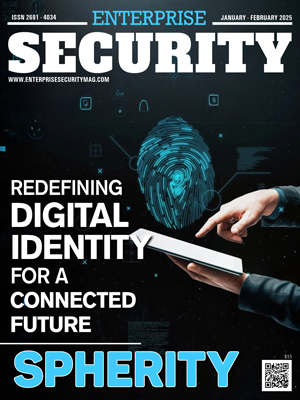
Digital identity has become a key component of modern enterprise operations as organizations increasingly depend on cloud platforms, digital services, and distributed workforces. Enterprises today require intelligent digital identity management solutions that can adapt to evolving cyber threats, complex user ecosystems, and strict regulatory requirements. AI-driven digital identity management solutions enable organizations to move beyond static, rule-based controls toward adaptive, context-aware identity frameworks that balance security, scalability, and user experience.
Enhanced Digital Identity Management: Balancing Security and Productivity
Smarter digital identity management focuses on establishing a unified and continuously updated view of users across the enterprise. Employees, contractors, partners, and customers interact with multiple systems, devices, and networks, generating vast amounts of identity-related data. AI-powered platforms analyze this data in real time to build behavioral baselines, detect anomalies, and dynamically assess risk. Rather than relying solely on usernames and passwords, modern identity solutions evaluate multiple contextual factors such as device health, access location, time of access, and historical behavior to make informed access decisions.
For enterprises, this intelligence delivers stronger security without sacrificing productivity. Automated identity lifecycle management simplifies onboarding, role transitions, and offboarding by ensuring access rights align with current responsibilities, reducing administrative overhead, limiting human error, and preventing access creep. Centralized identity visibility also strengthens governance by enabling consistent policy enforcement, faster audits, and improved compliance with global data protection and security regulations. By embedding intelligence into identity management, organizations can proactively reduce risk while supporting digital transformation initiatives with confidence.
Enterprises must align identity controls with evolving privacy and security requirements, including data access transparency and user rights. AI-driven identity platforms help organizations enforce least-privilege access, monitor sensitive data usage, and maintain detailed audit trails. For regulated enterprises, automated compliance reporting and continuous risk monitoring reduce operational burden while strengthening accountability and trust.
Scalable AI Identity Solutions for Secure Access Control
As enterprises expand across regions, business units, and digital environments, identity management systems must scale seamlessly. Scalable AI identity solutions are designed to support complex ecosystems spanning on-premise infrastructure, cloud platforms, SaaS applications, and hybrid environments. Traditional identity systems often struggle with this level of complexity, resulting in fragmented access controls and inconsistent security policies. AI-driven identity solutions address these challenges by automating access decisions and enforcing policies uniformly across the enterprise.
ML models continuously analyze access requests, user behavior, and contextual signals to enable risk-based access control. This dynamic approach allows access permissions to adapt to changing conditions rather than remaining static. For example, a user accessing a system from a trusted environment may experience frictionless access, while the same request from an unusual location or device may trigger additional verification. This adaptive access model strengthens security while maintaining a seamless user experience. Cyber Evolution | LECS uses behavioral analysis across network communications to identify anomalies, adding visibility as access conditions change. Scalability also extends to managing large and diverse identity populations. Modern enterprises may oversee millions of identities, including workforce users, privileged accounts, external partners, and customers. AI-powered identity platforms automate provisioning, access reviews, and certification processes at scale, reducing manual effort while maintaining compliance standards. Intelligent workflows prioritize high-risk access scenarios, enabling security teams to focus on what matters most.
Secure access control is further enhanced through continuous authentication and monitoring. Instead of making a single access decision at login, AI systems evaluate risk throughout the session. If risk levels change, the system can enforce step-up authentication, restrict access, or terminate sessions altogether. This continuous security model is critical for protecting sensitive data and defending against insider threats, compromised credentials, and advanced attacks. From a business standpoint, scalable AI identity solutions support rapid application adoption, global expansion, and organizational change without compromising security or control.
NetFoundry provides identity-based connectivity for modern distributed systems, supporting secure access across applications, devices, and AI workloads at scale.
Next-Generation AI-Driven Identity Management Platform
Next-generation AI-driven identity management platforms represent a shift from isolated security tools to fully integrated identity ecosystems. These platforms unify identity governance, access management, authentication, and analytics within a single solution. By leveraging artificial intelligence, identity management evolves from a reactive security function into a strategic enabler of enterprise agility and innovation.
AI models continuously learn from new data, improving their ability to detect anomalies, predict potential security incidents, and recommend remediation actions. This adaptive intelligence enables organizations to stay ahead of emerging threats and reduce their overall attack surface. Future-ready identity platforms are built for interoperability and flexibility. Open architectures and robust APIs allow seamless integration with enterprise applications, security tools, and emerging technologies. Whether supporting zero trust strategies, passwordless authentication, or evolving identity standards, AI-driven platforms provide the agility needed to align identity management with changing business and technology landscapes.
Compliance and governance are embedded directly into platform design. Automated policy enforcement, detailed audit trails, and real-time reporting simplify regulatory compliance across industries and regions. AI assists compliance teams by highlighting access anomalies, prioritizing high-risk identities, and streamlining certification processes, reducing operational burden while improving accuracy and accountability. ...Read more
ON THE DECK